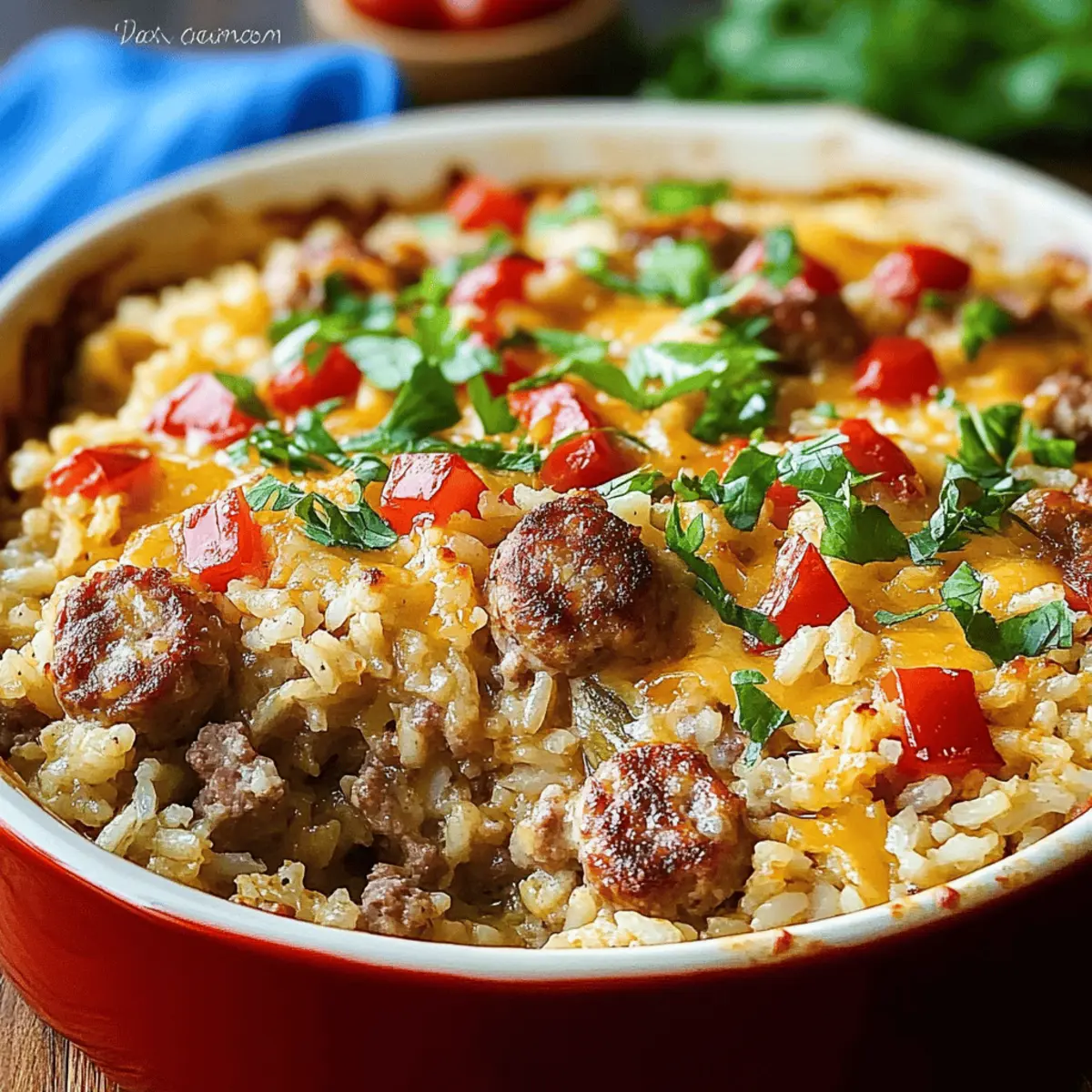
Beyond the Basics: Creative Twists for Your Sausage and Rice Casserole
The classic
sausage and rice casserole holds a special place in the hearts of many home cooks. It's the epitome of comfort food: warm, hearty, and often a nostalgic reminder of family dinners. While the traditional rendition is undeniably delicious, its true beauty lies in its incredible versatility. Far from being a one-trick pony, a
sausage and rice casserole is a culinary canvas, eager for creative twists and personal touches that can transform it from a weeknight staple into a gourmet delight. This article explores how you can elevate your casserole game, offering practical tips and exciting ingredient swaps to keep your taste buds intrigued.
Exploring Sausage Varieties for a New Flavor Profile
The type of sausage you choose is perhaps the most impactful decision you'll make when crafting your casserole. Don't limit yourself to just one kind!
- Spicy Italian Sausage: For those who love a kick, spicy Italian sausage brings a fiery depth that pairs wonderfully with the mildness of rice and cheese. Its fennel notes also add a complex aroma.
- Chorizo: Whether Mexican (fresh, often ground) or Spanish (cured, smoked), chorizo introduces a rich, smoky, and often piquant flavor that can totally redefine your casserole. Spanish chorizo can be sliced and added directly, while Mexican chorizo should be crumbled and cooked.
- Chicken or Turkey Sausage: For a lighter take without sacrificing flavor, chicken or turkey sausages (apple, sun-dried tomato, or spinach varieties work well) can be excellent alternatives, often lower in fat but still packed with taste.
- Breakfast Sausage: Don't knock it till you try it! A sweet or savory breakfast sausage can lend a unique, slightly sweeter, and incredibly comforting flavor, especially when paired with a hint of maple or sage.
Experimenting with different sausages is a fantastic way to discover new family favorites and keeps the dish exciting. For more foundational knowledge on perfecting the classic, you might want to read
sausage and rice casserole - Article 1, which delves into basic preparations.
Rice Upgrades and Vegetable Enhancements
While long-grain white rice is common, switching up your grain can introduce new textures and nutritional benefits.
- Brown Rice: Offers a nuttier flavor and chewier texture, plus added fiber. It requires a longer cooking time, so adjust your recipe accordingly, possibly pre-cooking it further before adding to the casserole.
- Wild Rice Blend: Provides a beautiful visual appeal and a unique, earthy flavor that complements the richness of sausage.
- Arborio Rice: Though traditionally used for risotto, arborio can create an incredibly creamy, indulgent casserole with a slightly al dente bite, absorbing flavors beautifully.
Don't forget the power of vegetables to add color, nutrients, and varying textures. Beyond the usual onions and bell peppers, consider:
- Mushrooms: Sautéed cremini or shiitake mushrooms add an umami depth.
- Leafy Greens: Stir in fresh spinach or kale during the last 10-15 minutes of baking for a vibrant boost.
- Root Vegetables: Diced carrots, celery, or even small cubes of sweet potato can add sweetness and substance.
- Corn and Peas: These frozen staples are perfect for quick additions, bringing natural sweetness and pops of color.
Flavor Boosters and Cheese Choices
Small additions can make a huge difference in the overall flavor profile of your
sausage and rice casserole.
- Herbs and Spices: Fresh thyme, rosemary, sage, or a pinch of smoked paprika or Creole seasoning can transform the dish.
- Liquids: A splash of white wine or dry sherry deglazed after browning the sausage adds sophisticated depth. Using chicken or vegetable broth instead of just water for cooking the rice also infuses more flavor from the start.
- Cheeses: While cheddar is a classic, consider Monterey Jack for a milder, meltier texture, or a blend of Gruyère and Parmesan for a more sophisticated, nutty profile. A touch of cream cheese or mascarpone can also add incredible richness and creaminess.
Meal Prep Magic: Tips for Making Your Sausage and Rice Casserole Ahead
The inherent nature of a
sausage and rice casserole makes it an ideal candidate for meal prepping. Its ability to be assembled ahead of time and baked later, or even fully cooked and reheated, is a major time-saver for busy weeknights. Mastering the art of meal prepping your casserole ensures you always have a delicious, homemade meal ready to go, minimizing last-minute stress.
Strategic Component Preparation
The key to successful casserole meal prep lies in breaking down the recipe into manageable, make-ahead components:
- Cook the Sausage: Brown your chosen sausage, crumble it, and drain any excess fat. Let it cool completely before storing it in an airtight container in the refrigerator for up to 3-4 days.
- Chop Vegetables: Dice your onions, bell peppers, celery, and any other vegetables you plan to include. Store them in separate airtight containers or zip-top bags in the fridge.
- Pre-cook Rice (Partially or Fully): For best results, consider cooking your rice al dente (slightly undercooked) if you plan to fully assemble and bake the casserole later. This prevents it from becoming mushy during the second cooking phase. Alternatively, you can cook the rice fully and let it cool.
- Prepare Sauces/Broths: Mix your broth, seasonings, and any liquid components. This can be stored in the fridge.
Having these individual components ready makes assembly incredibly quick on the day you plan to bake.
Assembly and Storage for Future Feasts
There are two main approaches to making your
sausage and rice casserole ahead of time:
- Assemble and Refrigerate (Unbaked): Combine all your prepped ingredients in your casserole dish. Cover tightly with plastic wrap or foil. It can be stored in the refrigerator for up to 24-48 hours. When ready to bake, remove it from the fridge 30 minutes to an hour beforehand to allow it to come closer to room temperature, then bake as directed, possibly adding an extra 10-15 minutes to the baking time.
- Assemble and Freeze (Unbaked): This is perfect for long-term meal planning. Assemble the casserole in a freezer-safe dish (preferably one that can go directly from freezer to oven, though tempering is often recommended). Cover tightly with plastic wrap, then foil, ensuring it's airtight to prevent freezer burn. Label with the date and baking instructions. It can be frozen for up to 2-3 months. To bake, thaw overnight in the refrigerator, then proceed as if it were a refrigerated unbaked casserole. Alternatively, some casseroles can be baked from frozen, though this will significantly increase baking time (often by 1.5-2x).
- Cook Completely and Freeze: If you prefer to have a fully cooked meal ready to reheat, bake your casserole as usual, let it cool completely, then portion it into individual freezer-safe containers or freeze the entire casserole in its dish. Reheat portions in the microwave or the oven. This method is explored further in sausage and rice casserole - Article 3, which discusses optimal reheating techniques.
Reheating Best Practices for Moist and Flavorful Results
Reheating a
sausage and rice casserole correctly is crucial to maintaining its texture and flavor:
- Oven Reheating: For best results with an entire casserole, cover it with foil and reheat in a preheated oven at 300-325°F (150-160°C) until heated through, usually 20-30 minutes for individual portions and 45-60 minutes for a whole casserole. A splash of extra broth can help prevent it from drying out.
- Microwave Reheating: For individual portions, cover loosely with a microwave-safe lid or damp paper towel and heat on medium power, stirring occasionally, until hot. Add a tablespoon of broth or water if it seems dry.
- Stovetop Reheating (for individual portions): A quick reheat in a non-stick pan with a tiny bit of broth or water can also work, stirring gently until warm.
Always ensure the internal temperature reaches 165°F (74°C) for food safety.
Ingredient Spotlight: Choosing the Best Components for Your Casserole Success
The ultimate success of your
sausage and rice casserole hinges significantly on the quality and type of ingredients you select. Each component, from the star sausage to the humble broth, plays a vital role in the final flavor, texture, and overall enjoyment of the dish. Making informed choices can elevate a simple casserole into a truly memorable meal.
The Right Sausage: Flavor and Fat Content
As previously mentioned, sausage variety is key. But beyond flavor, consider the fat content:
- Fat Content: Some sausages, particularly traditional pork varieties, can be quite fatty. While fat adds flavor and moisture, excessive grease can make your casserole heavy. Always brown your sausage thoroughly and drain off excess fat before combining with other ingredients. If using very lean sausages (like some chicken or turkey varieties), you might need to add a touch of olive oil or butter to your pan for sautéing vegetables, to ensure everything cooks nicely without sticking.
- Seasoning Balance: Remember that pre-seasoned sausages already bring a lot of flavor. Adjust additional salt and spices in your recipe accordingly to avoid an overly salty or intensely spiced dish. Taste as you go!
Perfecting the Rice: Type and Pre-treatment
The rice forms the backbone of your casserole, so its preparation is crucial:
- Grain Length and Type: Long-grain white rice (like Basmati or Jasmine) tends to cook up fluffy and separate, which is often desired in a casserole. Medium-grain rice (like Arborio) can yield a creamier texture, while short-grain rice might become too sticky. Brown rice, as noted, adds a nutty flavor and chewiness.
- Pre-Rinsing: For a less starchy, fluffier result, always rinse your rice thoroughly under cold water until the water runs clear. This removes excess surface starch.
- Pre-cooking: While some recipes call for uncooked rice to absorb all the liquid in the casserole, pre-cooking rice to al dente (partially cooked) is often recommended, especially for meal prepping or if you're concerned about raw rice absorbing too much liquid and drying out the casserole, or not cooking evenly.
Dairy and Broth Choices: The Foundation of Flavor and Moisture
These liquids and binders are essential for a cohesive and flavorful casserole.
- Broth: Using a high-quality chicken or vegetable broth (low-sodium is often preferred so you can control salt content) instead of just water adds a layer of foundational flavor. For an even richer taste, consider using homemade broth.
- Creamy Additions: Milk, cream, or even a can of condensed cream of mushroom or chicken soup are common in casseroles to create a rich, creamy sauce. Evaporated milk can also be a good choice for added richness without excessive fat.
- Cheese: Beyond the meltability of cheddar, consider how different cheeses contribute to the flavor profile. Sharp cheddar offers tang, mozzarella provides stretch and mildness, Gruyère gives nutty depth, and Parmesan adds a salty, umami finish. Shred your own cheese for superior melting and flavor compared to pre-shredded varieties, which often contain anti-caking agents.
Fresh vs. Frozen Vegetables: When to Use Which
Both fresh and frozen vegetables have their place in a
sausage and rice casserole.
- Fresh Vegetables: Offer superior texture and vibrant flavor. Sautéing fresh onions, bell peppers, celery, and mushrooms before adding them to the casserole helps develop their flavor and softens them appropriately.
- Frozen Vegetables: Are incredibly convenient and retain much of their nutritional value. They are perfect for quick additions like peas, corn, or chopped spinach (no need to thaw most frozen vegetables before adding them to the casserole; they will cook through during baking). They can be a lifesaver when fresh produce isn't available or time is short.
By thoughtfully selecting and preparing each ingredient, you're not just assembling a dish; you're crafting a truly satisfying and delicious
sausage and rice casserole that stands out.
Conclusion
The humble
sausage and rice casserole is far more than just a simple weeknight dinner; it's a testament to the power of versatile ingredients and creative cooking. Whether you're experimenting with exotic sausage varieties, upgrading your rice, incorporating a rainbow of vegetables, or leveraging smart meal prep techniques, this dish offers endless possibilities for customization and enjoyment. Its comforting warmth and hearty goodness make it a timeless favorite, adaptable to any palate or occasion. So, embrace the culinary adventure, personalize your next
sausage and rice casserole, and savor the delicious results!